


Hanukkah's Essence: History and Spiritual Meaning

Hanukkah, the Festival of Lights, is a time-honored celebration deeply embedded in Jewish history and spirituality. This eight-day festival, observed each winter, not only commemorates a historical event but also conveys profound spiritual lessons that continue to resonate today.
The Roots of Hanukkah: A Historical Perspective
Hanukkah dates back over two thousand years, rooted in a pivotal moment in Jewish history. It commemorates the rededication of the Second Temple in Jerusalem after the Maccabees, a group of Jewish rebels, defeated the Seleucid Empire. The central miracle of Hanukkah is the burning of a single day's supply of consecrated oil in the Temple's menorah for eight days, a duration that allowed for the preparation of more oil under pure conditions.
The Symbolism of the Menorah: Light Overcoming Darkness
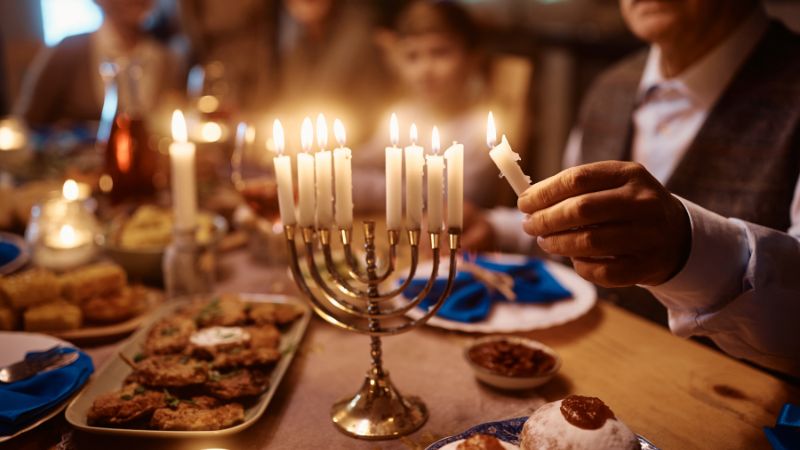
At the core of Hanukkah's celebration is the menorah, an eight-branched candelabrum with an additional helper candle, the 'shamash', used to light the others. This ritual of lighting the menorah symbolizes the historical miracle and the broader spiritual theme of light triumphing over darkness. Each night, the addition of another candle symbolizes the increase of light, serving as a metaphor for the increase of holiness and wisdom in the world.
Spiritual Lessons of Hanukkah
Hanukkah offers several key spiritual lessons:
- Persistence and Faith: The story of the Maccabees is one of hope against odds, emphasizing the power of faith and perseverance.
- Spiritual Rededication: Just as the Temple was rededicated, Hanukkah offers a time for personal reflection and rededication to spiritual values.
- Miracles in Daily Life: The oil miracle highlights the divine's presence in everyday occurrences, encouraging a sense of wonder and gratitude.
- Light as a Symbol of Goodness: The increasing light of the menorah is a reminder to add goodness and positivity to the world.
Culinary Traditions: Celebrating with Food
Food plays a significant role in Hanukkah's observance. The tradition of eating oil-based foods, such as latkes and sufganiyot, not only commemorates the miracle of the oil but also serves as a sensory reminder of history and tradition.
The V'al Hanissim Prayer: A Testament of Gratitude and Remembrance
In the tapestry of Hanukkah's traditions, prayers play a pivotal role in connecting the past with the present. One such prayer, the V'al Hanissim, meaning "And [for] the miracles," is a poignant recitation during this festival. It serves not only as a historical recount of the events Hanukkah commemorates but also as an expression of gratitude for the divine interventions experienced by the Jewish people.

Text of the V'al Hanissim Prayer:
And [we thank You] for the miracles, for the redemption, for the mighty deeds, for the saving acts, and for the wonders which You have wrought for our ancestors in those days, at this time—
In the days of Matityahu, the son of Yochanan the High Priest, the Hasmonean and his sons, when the wicked Hellenic government rose up against Your people Israel to make them forget Your Torah and violate the decrees of Your will. But You, in Your abounding mercies, stood by them in the time of their distress. You waged their battles, defended their rights, and avenged the wrong done to them. You delivered the mighty into the hands of the weak, the many into the hands of the few, the impure into the hands of the pure, the wicked into the hands of the righteous, and the wanton sinners into the hands of those who occupy themselves with Your Torah. You made a great and holy name for Yourself in Your world, and effected a great deliverance and redemption for Your people Israel to this very day. Then Your children entered the shrine of Your House, cleansed Your Temple, purified Your Sanctuary, kindled lights in Your holy courtyards, and instituted these eight days of Chanukah to give thanks and praise to Your great Name.
From Siddur Tehillat Hashem. © Copyright Kehot Publication Society, Brooklyn NY
www.chabad.org/holidays/chanukah/article_cdo/aid/597182/jewish/Val-Hanissim.htm
Significance of the V'al Hanissim Prayer
Recited during Hanukkah, the V'al Hanissim is integrated into the daily prayers and the grace after meals. It recounts the triumph of the Maccabees over the Hellenic forces, emphasizing the themes of divine intervention and the victory of the few against the many. The prayer encapsulates the essence of Hanukkah – the celebration of miraculous events, the struggle for religious freedom, and the rededication of the Holy Temple in Jerusalem. It's a reminder of the resilience and faith of the Jewish people and their unyielding devotion to their spiritual heritage.
Respecting Hanukkah Traditions While Traveling in Israel
Understanding the Significance: Recognizing Hanukkah's cultural and religious importance in Israel is crucial for respectful engagement. Hanukkah is not just a festive time; it's deeply rooted in Jewish history and spiritual practice. As a visitor, taking the time to understand this context will enhance your experience and show respect for the local traditions.
Respecting Religious Practices:
- Menorah Lighting: If you are invited to a menorah lighting ceremony, understand this is a solemn and significant ritual. Dress modestly, and follow the lead of your hosts in terms of participation.
- Observing Customs: While not all Israelis celebrate Hanukkah religiously, respecting those who do is important. This includes being mindful of traditions like avoiding handling money and turning off electronic devices in specific settings, especially on Shabbat during Hanukkah.
- Photography: Always ask permission before taking photos during religious ceremonies or inside synagogues.
Engaging with the Community:
- Local Interaction: Engage with locals to learn more about Hanukkah's traditions. Israelis are often happy to share their culture and might even invite you to join their celebrations.
- Attending Events: Attend public events like menorah lighting or festivals. These are appropriate for visitors and offer a great way to experience the holiday's communal aspect.
Food and Festivities:
- Enjoying Traditional Foods: Feel free to partake in traditional Hanukkah foods. Eating sufganiyot (jelly doughnuts) and latkes is a fun way to engage with the holiday tradition.
- Alcohol Consumption: While enjoying the festive atmosphere, be mindful of your alcohol consumption, especially if you are attending religious or family-oriented events.
Shopping and Business Hours:
- Business Hours: Note that business hours might be different during Hanukkah. Plan your shopping or dining accordingly.
- Local Economy: Support the local economy by purchasing from small vendors and artisans, especially those selling Hanukkah-related items like menorahs or dreidels.
Conclusion
Hanukkah is a multifaceted celebration, rich in historical depth and spiritual symbolism. Its roots, embedded in a dramatic chapter of Jewish history, tell a tale of resilience, faith, and the triumph of light over darkness. The menorah's glowing lights each night are not just a commemoration of a miracle from millennia ago but also a contemporary symbol of hope, spiritual endurance, and the persistent quest for wisdom and goodness in our world. By understanding Hanukkah's historical context and deeper spiritual messages, one gains a profound appreciation of this timeless festival.
