


The practice of removing shoes before entering an indoor space is one of the most enduring customs in Japanese culture. Far more than simple politeness, this tradition is a profound expression of respect, purity, and the symbolic separation of the outside world from the inner sanctuary of the home. This ritual is centered around the entryway, known as the **genkan (玄関)**, and understanding its significance is key to navigating Japan with grace and respect.
The Cultural and Historical Roots of Removing Shoes
The tradition of removing shoes in Japan is deeply rooted in both practical necessity and profound spiritual belief. It's a custom that reflects centuries of cultural evolution and a unique relationship with space and cleanliness.
Practicality and Hygiene Through History
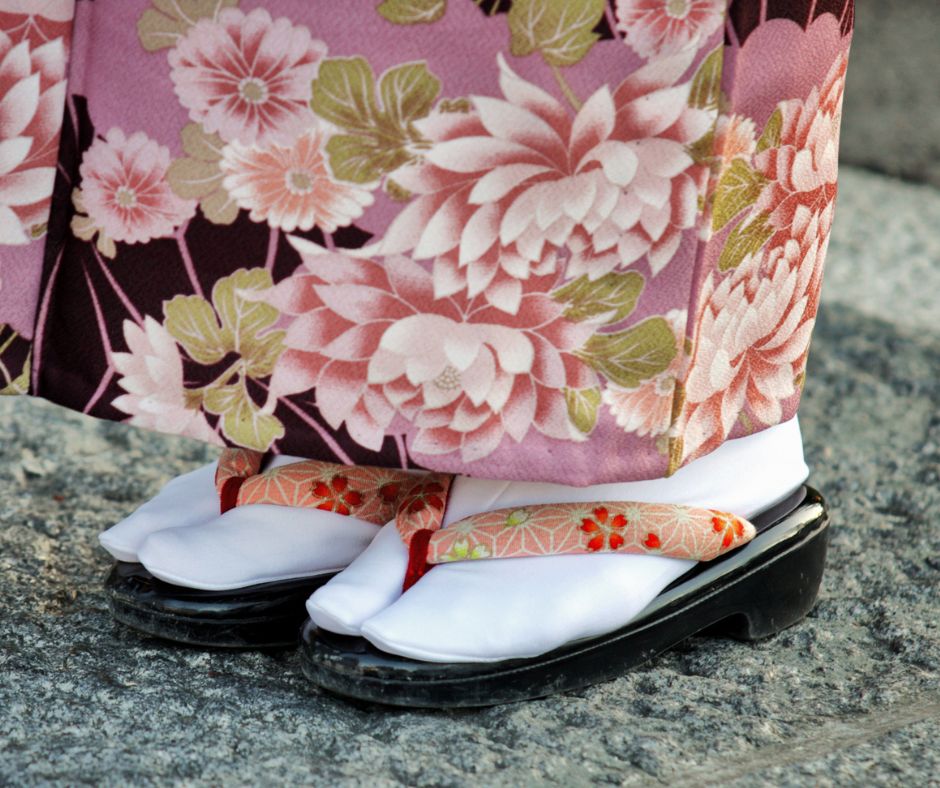
- Protecting Delicate Floors: Historically, Japanese homes featured delicate tatami mats (woven straw) and polished wooden floors, which were easily damaged and soiled. Early Japanese footwear like **geta (下駄)** (wooden clogs) and **zōri (草履)** (straw sandals) were essential for navigating often muddy, unpaved roads. Removing these outside shoes was a simple, yet effective, way to keep the interior living spaces clean and well-preserved. This practice continues today, protecting modern flooring from dirt and wear.
Spiritual Purity and the Uchi/Soto Divide
- Shintoism and Purity: Shintoism, Japan's indigenous religion, places immense emphasis on purity (**kegare**). The outside world is traditionally seen as carrying impurities and dirt (**kegare**), while the home, temple, or other indoor spaces are regarded as pure, sacred areas. The act of removing shoes at the **genkan** symbolizes leaving these external impurities and negative influences behind, much like a ritualistic cleansing before entering a clean, revered space.
- The Uchi/Soto Distinction: This custom also reinforces the fundamental Japanese concept of **uchi (内)** (inside/in-group) and **soto (外)** (outside/out-group). The **genkan** serves as a clear physical and symbolic boundary, or **kekkai (結界)**, separating the public, external world from the private, internal realm. Stepping over this boundary without removing shoes would be a violation of this deeply ingrained social and cultural understanding.
Understanding the Genkan: More Than Just an Entrance
The **genkan** is not just an entryway; it's a dedicated transitional space at the entrance of a Japanese building, specifically designed for the ritual of shoe removal. Understanding its key elements is crucial for proper etiquette:
- The Tataki (三和土): This is the lower, sunken floor area of the **genkan**, typically made of tile, stone, or concrete. It's the "outside" part where you first step in from outdoors and where your shoes belong.
- The Agarikamachi (上がり框): This is the distinct, raised step that leads up from the **tataki** into the main, elevated floor of the house or building. You should never step on this ledge with your outdoor shoes on.
- The Getabako (下駄箱): Often found in the **genkan**, this is a shoe cupboard or cabinet where shoes are neatly stored.
The correct etiquette is to step onto the **tataki**, remove your shoes while facing the door, then turn around and step up onto the **agarikamachi** in your socks. Finally, you should turn your removed shoes so they face the door (ready for your departure) and place them neatly on a shelf in the **getabako** or to the side of the **tataki**.
A Traveler's Guide: Where and How to Remove Your Shoes in Japan
For visitors to Japan, knowing when and where to remove shoes is essential for showing respect and navigating daily interactions smoothly. This custom extends far beyond private homes.
1. In Private Settings (Homes & Traditional Lodgings)
- Japanese Homes: This is the most common and crucial place to observe the custom. Always remove your shoes immediately upon entering. Your host will almost certainly offer you **suriippa (スリッパ)** (indoor slippers).
- Traditional Inns (Ryokan) and Guesthouses (Minshuku): You will be required to remove your shoes at the main entrance of the building. You'll be provided with slippers for common areas and hallways, and sometimes special wooden clogs (**geta**) for stepping outside into the garden.
2. In Sacred and Cultural Spaces
- Temples and Shrines: When entering the main halls, prayer areas, or other sacred spaces, shoe removal is mandatory. Look for signs, shoe racks, or designated areas to leave your shoes, or sometimes plastic bags to carry them with you. This act signifies respect for the sacred ground and spiritual purity.
- Martial Arts Dojos: Entering a training hall for disciplines like judo, kendo, or aikido always requires removing shoes as a sign of respect for the practice, the instructors, and the space itself.
- Tea Ceremony Rooms & Cultural Workshops: Activities like tea ceremonies, ikebana (flower arranging), or calligraphy, especially when held in traditional rooms with tatami mats, require removing shoes to maintain the pristine condition and sacred atmosphere of the space.
3. In Public and Commercial Establishments
- Restaurants: Many traditional Japanese restaurants, particularly those with **zashiki (座敷)** (tatami mat seating) or private rooms, require you to remove your shoes. There will typically be a **genkan** area at the entrance.
- Onsen (Hot Springs) and Public Baths: You will remove your shoes at the entrance before proceeding to the changing rooms and bathing areas to maintain hygiene in communal facilities.
- Schools and Some Hospitals/Clinics: In schools, students and staff remove outdoor shoes and change into **uwabaki (上履き)** (indoor shoes). As a visitor to some smaller or traditional clinics, you may also be asked to remove your shoes to maintain a sterile environment.
- Dressing Rooms: In higher-end department stores or traditional clothing shops, you might be asked to remove your shoes before entering a fitting room to protect the carpet and merchandise.
The Art of Slippers: A Key Piece of Etiquette
Once you remove your outdoor shoes, you'll often be provided with, or expected to use, slippers. This comes with its own set of rules:
- Indoor Slippers: These are for wearing in hallways, common rooms, and non-tatami areas.
- Toilet Slippers: This is a crucial distinction! You will almost always find a separate pair of slippers specifically for the bathroom, usually just inside the door. You **must** switch from your general indoor slippers to the toilet slippers when entering the bathroom, and—most importantly—remember to switch back immediately upon leaving! Walking out of the toilet still wearing the toilet slippers is a common and amusing mistake for foreigners and is considered a significant faux pas.
- Tatami Rooms: Never wear any type of slippers (indoor or toilet) on tatami mats. Always remove your slippers at the threshold of a tatami room and walk on the mats in your socks or bare feet.
Common Mistakes and Faux Pas to Avoid
While Japanese people are generally understanding of foreign visitors, being aware of these common errors will help you show greater respect:
- Forgetting to Remove Shoes: The most obvious, but also easy to overlook in busy situations. Always be observant.
- Stepping on the Agarikamachi with Shoes: The raised step is the symbolic and literal boundary. Never tread on it with outdoor shoes.
- Walking out in Toilet Slippers: This is a frequent mistake. Always double-check your feet when exiting a restroom.
- Wearing Slippers on Tatami: Tatami mats are delicate and considered sacred. Slippers are not allowed on them.
- Leaving Shoes Messy or Blocking the Entrance: Neatly arrange your shoes, facing the door, to avoid obstructing the entryway for others.
- Wearing Dirty or Hole-Ridden Socks: Since your socks will be visible, ensure they are clean and presentable.
Frequently Asked Questions for Travelers
Q: What if my socks have holes in them?
A: It's a good idea to always wear clean, presentable socks when you're out and about in Japan, precisely for this reason. A small hole is not a major offense, but making an effort to wear nice socks is appreciated.
Q: Is it rude not to take off my shoes?
A: Yes, in places where it is the custom, it is considered very rude. It implies you do not respect the cleanliness and sanctity of the space. Always follow the lead of others and look for the signs (a genkan, shoe racks, or people taking off their shoes).
Q: Should I wear shoes that are easy to take on and off?
A: Absolutely! Choosing slip-on shoes or footwear without complicated laces will make your transitions much quicker and more convenient as you move between different environments throughout the day.
The Takeaway
The Japanese practice of removing shoes is a beautiful blend of practicality, history, and spiritual belief. It represents a mindful transition from the public to the private, the external to the internal. For any traveler to Japan, embracing the **genkan** tradition is not just about following a rule—it's about showing respect for a deeply held cultural value, a profound understanding of space, and a commitment to shared cleanliness that continues to shape daily life in Japan.
