


Bowing in Japan: The Art and Etiquette of Ojigi

Bowing, known as ojigi (お辞儀) in Japanese, is far more than a polite gesture—it’s a cornerstone of Japanese culture. For visitors, it may appear as a simple way to greet or bid farewell, but in Japan, bowing embodies profound values of respect, gratitude, humility, apology, and reverence. Mastering the nuances of bowing offers a window into the heart of Japanese etiquette and social harmony. This article explores the historical origins, types, contexts, and modern significance of bowing, along with practical guidance for visitors to navigate this essential custom.
The Historical and Cultural Roots of Bowing
Bowing in Japan traces its origins to ancient Asia, heavily influenced by Buddhism and Confucianism. In these traditions, lowering one’s body symbolized humility, submission, and reverence for the sacred or those of higher status. By the Heian period (794–1185), bowing had become a formalized courtly ritual in Japan, practiced among the aristocracy to signify respect and deference. Over time, this gesture transcended religious and elite contexts, embedding itself into everyday social interactions across all levels of society.
The practice of bowing reflects Japan’s cultural emphasis on wa (harmony), where individuals prioritize group cohesion and mutual respect. Unlike verbal greetings, which can vary by dialect, bowing serves as a universal, non-verbal language that communicates sincerity and intent. Today, it remains an instinctive act for most Japanese, akin to a handshake or smile in Western cultures, but with far deeper cultural significance.
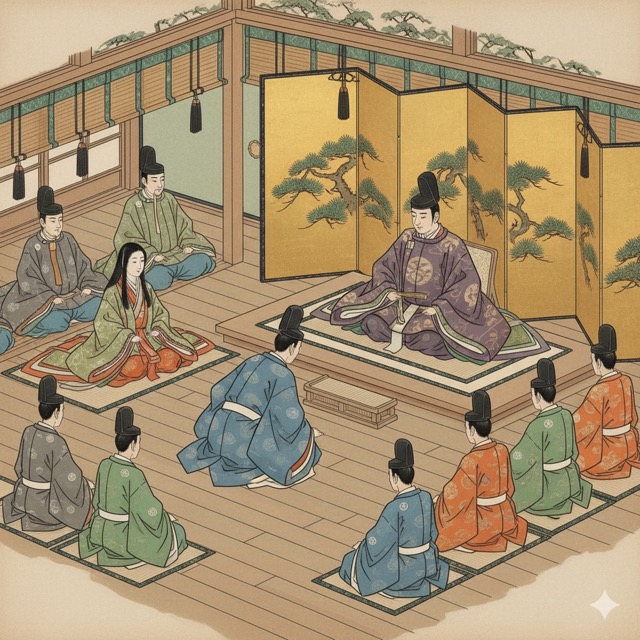
Image generated by Gemini, September 2025.
Types of Bows: A Gesture for Every Occasion
Bowing is not a one-size-fits-all gesture. The angle, duration, and context of a bow convey specific meanings, and understanding these distinctions is key to proper etiquette. Below are the primary types of bows in Japanese culture:
- Eshaku (会釈) – The Casual Bow (15°): A light, informal bow used in casual settings such as greeting friends, colleagues, or acquaintances.
- Keirei (敬礼) – The Respectful Bow (30°): A more formal bow used in professional or semi-formal settings, held briefly to convey sincerity.
- Saikeirei (最敬礼) – The Deep Bow (45° or more): Reserved for profound respect, apology, or reverence at shrines and temples, often held longer.
- Dogeza (土下座) – The Kneeling Bow: A rare, dramatic bow involving kneeling and touching the forehead to the floor, historically used to beg forgiveness or show submission.
Cultural Note: The deeper the bow, the greater the respect. Context matters—using a deep bow casually can seem overly formal or sarcastic.
Contexts for Bowing: A Silent Language of Respect
Bowing permeates nearly every aspect of Japanese social life. Here are the most common contexts:
- Greetings: Friends may exchange light bows, while business meetings require keirei.
- Gratitude: A bow reinforces phrases like arigatou gozaimasu (thank you very much).
- Apologies: The deeper the bow, the deeper the apology—corporate leaders often use saikeirei in public apologies.
- Business Etiquette: Bowing is central in meetings, client greetings, and team rituals.
- Religious & Ceremonial: At shrines, bowing forms part of rituals like “two bows, two claps, one bow.”
- Special Occasions: Weddings, funerals, and tea ceremonies incorporate bows as symbols of tradition.
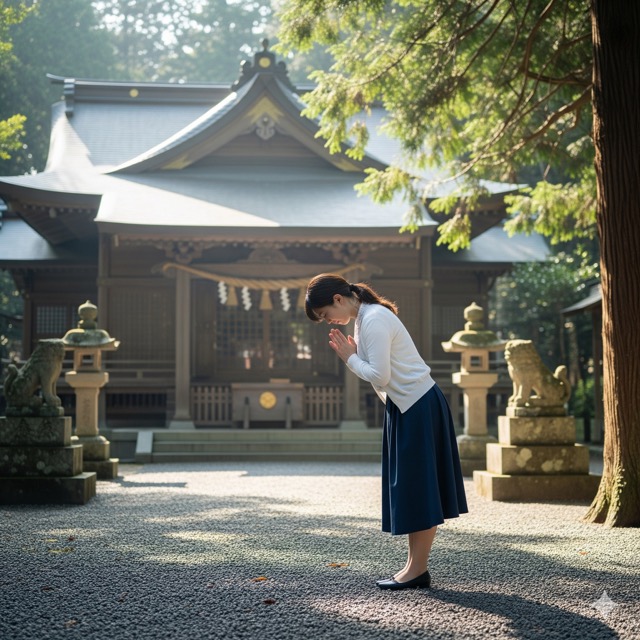
Image generated by Gemini, August 2025.
Bowing vs. Handshakes: Bridging Cultural Gaps
In the West, handshakes symbolize equality and confidence. In Japan, bows emphasize humility and respect. Today, some Japanese professionals combine a light handshake with a bow in international contexts. Still, visitors should prioritize bowing to align with cultural norms.
Common Bowing Mistakes by Visitors
- Overdoing It: Using deep bows in casual settings may look exaggerated.
- Nodding Instead of Bowing: A head bob isn’t a bow—bend at the waist.
- Rushing: Jerky, short bows appear insincere. Hold for 1–2 seconds.
- Eye Contact: Avoid strong eye contact while bowing; lower your gaze.
- Excess Formality: Among peers, excessive bowing can seem stiff.
- Poor Posture: Keep the back straight, arms at sides (men) or hands clasped (women).
Bowing in Modern Japan: Tradition Meets Innovation
Despite globalization, bowing is central to Japanese daily life. You’ll see:
- Commuters greeting at train stations.
- Shop clerks bowing to thank customers.
- Corporate executives giving deep saikeirei in public apologies.
- People bowing instinctively while speaking on the phone.
Bowing has adapted to modern technology. Robots like SoftBank’s Pepper are programmed to bow, reflecting its cultural significance. During the COVID-19 pandemic, “air bows” temporarily replaced close-contact bows, yet the tradition quickly resumed.

Image generated by Gemini, August 2025.
The Deeper Meaning of Bowing
Bowing is more than etiquette—it reflects Japan’s cultural values. In a society prioritizing wa (harmony), bowing communicates respect, apology, and humility silently yet powerfully.
Tips for Visitors: Mastering the Art of Bowing
- Observe and Mirror: Match the other person’s bow.
- Practice Posture: Stand straight, bend at the waist, arms natural.
- Match the Context: Eshaku for casual, keirei for formal, saikeirei for deep respect.
- Don’t Overthink: Sincerity matters more than perfection.
- Pair with Words: Use greetings like konnichiwa, arigatou, or sumimasen alongside your bow.
Conclusion: Bowing as a Cultural Bridge
Bowing is more than a gesture—it’s a cultural institution reflecting Japan’s values of respect, humility, and harmony. From its ancient roots in Buddhist and Confucian traditions to modern practices in business, religion, and even robotics, bowing endures as a timeless symbol of human connection.
For visitors, learning to bow is a chance to engage deeply with Japanese culture. Whether greeting a friend, thanking a clerk, or visiting a shrine, a sincere bow speaks volumes and bridges cultural divides.
